

Published: March 2026
Produced by: Khánh Sơn
Executed by: Anh Thư
Performed by: Anh Thư - Khánh Ly - Minh Ngọc
Images and videos: 28 Entertainment

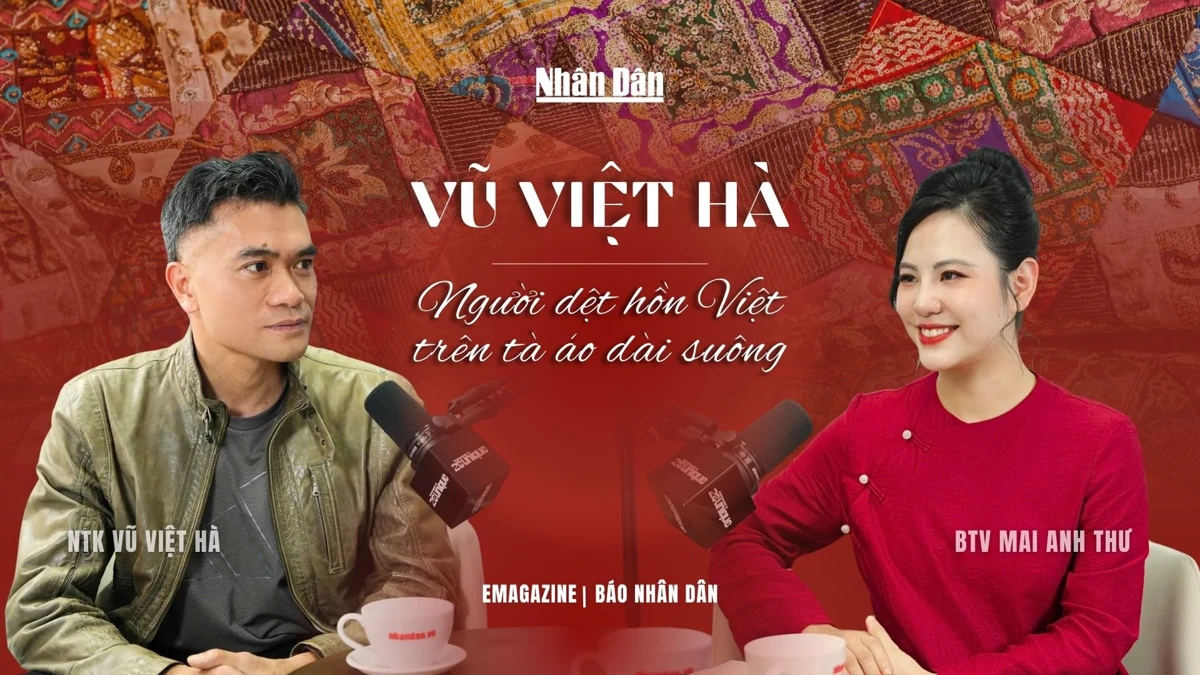
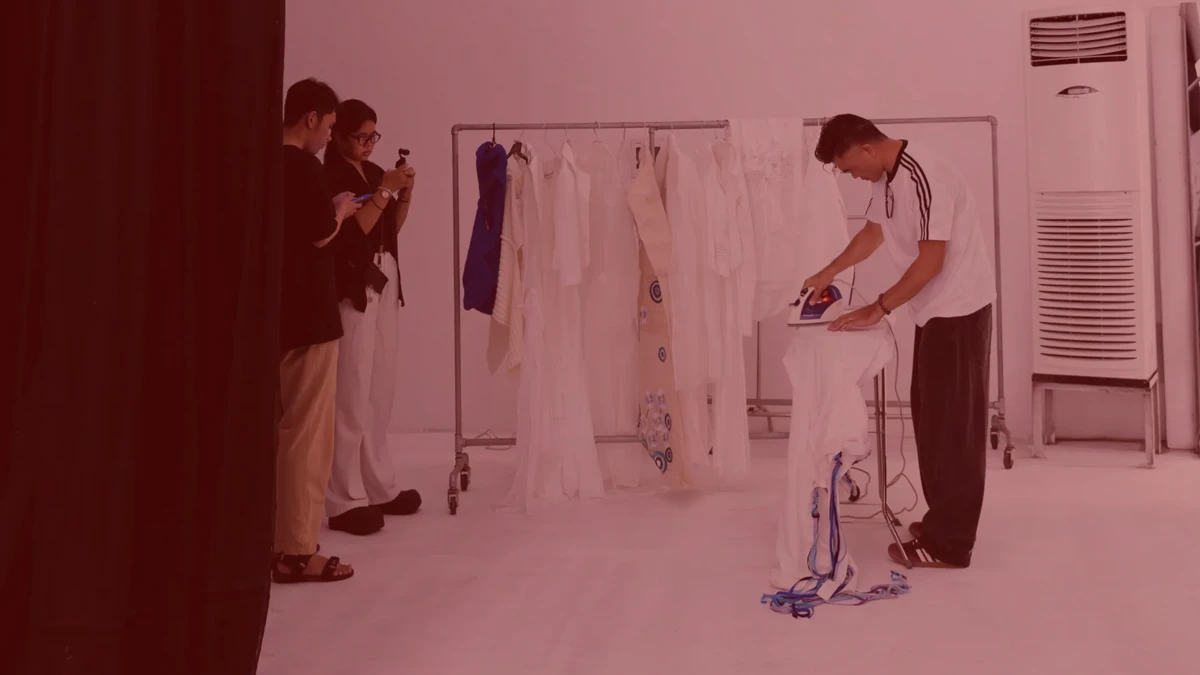

Sitting by the window of the Nhan Dan Newspaper building, looking out at the Turtle Tower, designer Vu Viet Ha began his story with a word he repeated over and over: "luck." He believes he was lucky to be born in Hanoi, lucky to have studied painting, and lucky to have found his own path in the highly competitive fashion market. But listening to him, behind that word "luck" lies nearly twenty years of perseverance to pursue his dream.
He originally majored in painting. The turning point came when he won an international award from the Bunka Design Institute (Japan). "The Japanese criteria is to honor traditional cultural values, everything related to heritage," he recalled. That award outlined the path he has pursued to this day: telling the story of Vietnamese culture through the language of clothing.
As the son of an official at Vietnam Television, he was initially slated to work there. But he took a different path, because of a life principle: he is responsible for his own success or failure. "I'm very worried that if I don't do it well or to the point of not meeting expectations, the criticism will be a burden on me," he confided. Throughout his student years, friends were familiar with Vu Viet Ha's image of studying and working at the same time, with the cost of art supplies and materials consuming all his self-earned money. That period of self-reliance honed both his style and his professional skills.


When Vũ Việt Hà is mentioned, the fashion world immediately thinks of materials that most designers wouldn't be keen on: hemp fiber, pineapple fiber, banana fiber, lotus fiber, and brocade. Faced with a somewhat bold decision, he chose to go against the grain, believing that the very "difficulty" of these local materials would create a unique mark.
The story began with internships during his student years, venturing into traditional craft villages in remote, mountainous areas. Each traditional fabric carries its own cultural genetic code: the Cơ Tu brocade of Quảng Nam is embellished with beads, while the brocade of Northern Vietnam is a multi-layered weaving technique. "It's like the product's positioning, a unique characteristic of each ethnic group," he says.

Then he encountered "lotus silk." One square meter of lotus silk fabric requires nearly 12,000 lotus stems. According to designer Vu Viet Ha, that number is "incredible, not because of the material itself, but because of the tireless effort of the laborers who create it." When woven, lotus silk is light and airy, subtly fragrant, rustic yet pure. Each piece of fabric embodies the spirit of the flower itself: noble, resilient, and meticulous, just like the Vietnamese people.
On another occasion, when a textile company introduced pandan leaf fiber, he accepted the offer and requested that they spin the fibers as finely as possible. The first time he saw the finished fabric, he immediately recognized that the material reminded him of the dó paper used in Dong Ho paintings. The idea of incorporating folk motifs onto pandan leaf fabric was born at that moment. "With hard work comes creativity," he said, quoting the elders to summarize his journey of "daring to try and fail, daring to try and succeed."
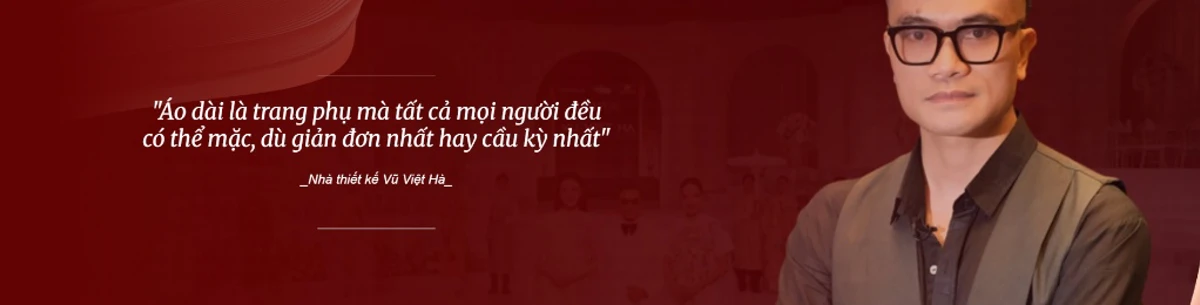
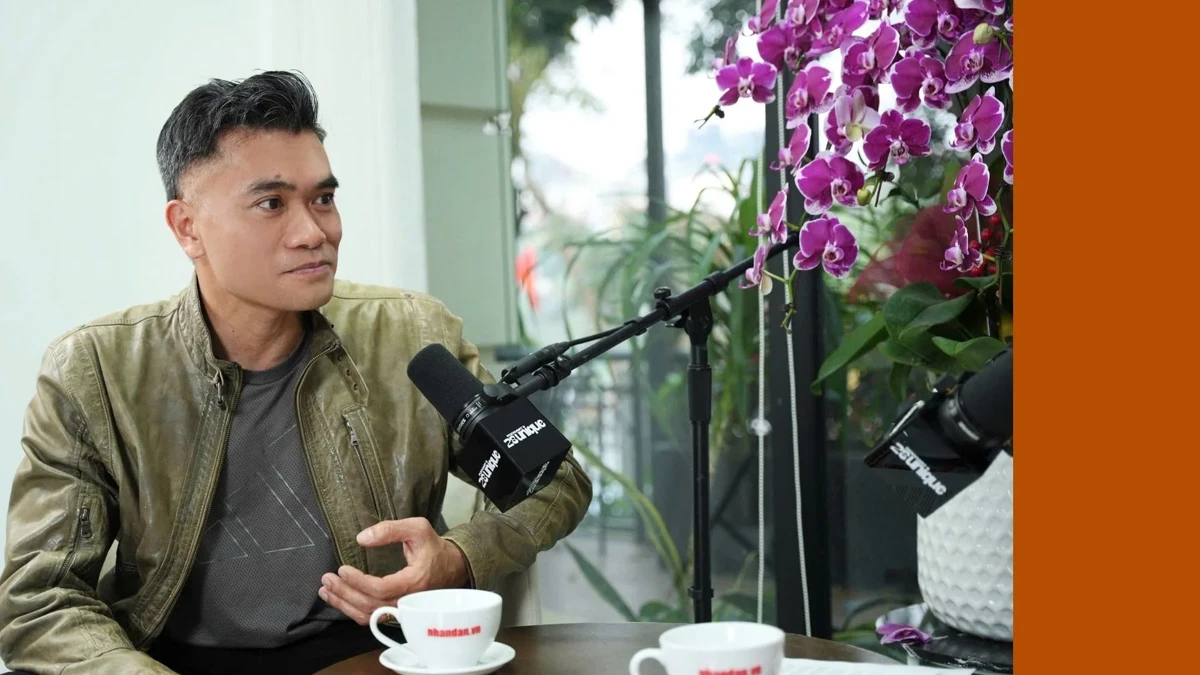
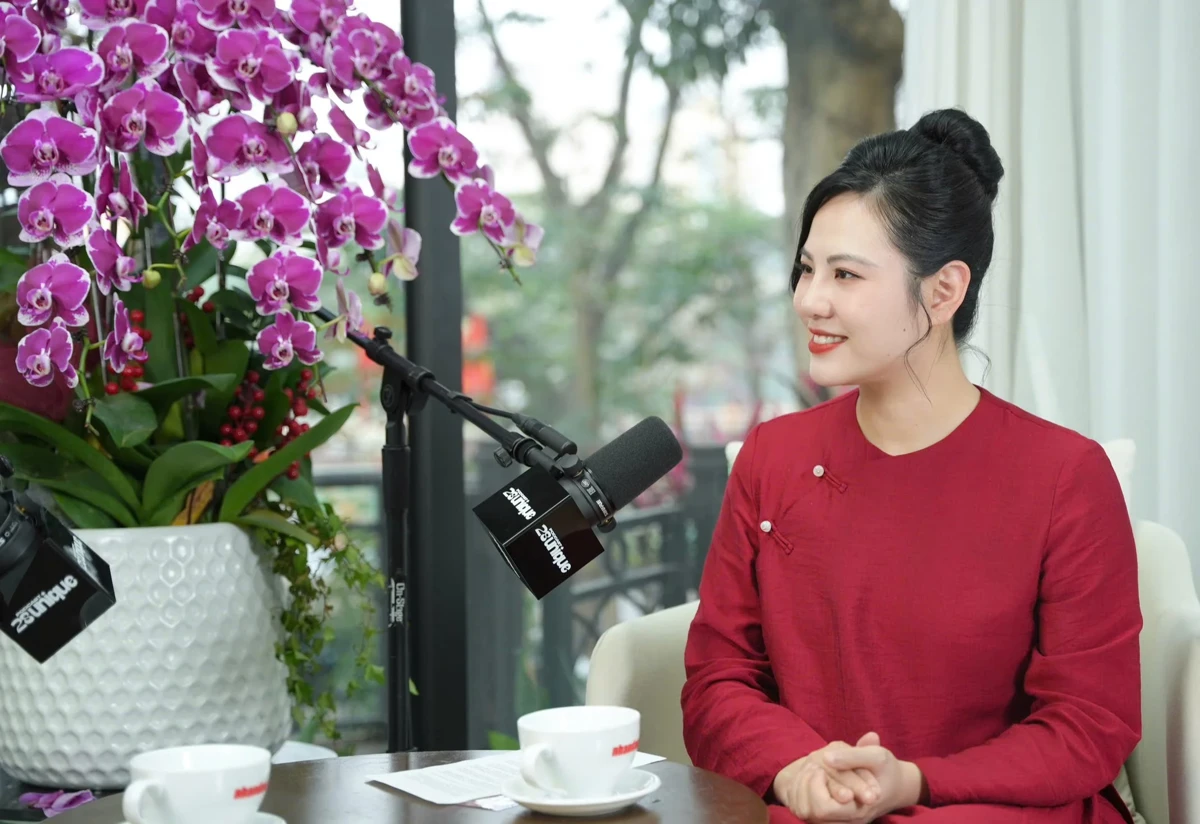

For designer Vu Viet Ha, the most beautiful ao dai (Vietnamese traditional dress) is perhaps the one yet to be made – the creations await him in the future, on a journey whose destination is always Vietnamese culture.
Published: March 2026
Produced by: Khánh Sơn
Executed by: Anh Thư
Performed by: Anh Thư - Khánh Ly - Minh Ngọc
Images and videos: 28 Entertainment




ncdi@mps.gov.vn
trungtamsangtaokhaithacdulieu@mps.gov.vn
info@ncdi.gov.vn

Ministry of Public Security, 47 Pham Van Dong Street, Phu Dien Ward, Hanoi
National Data Center, Hoa Lac Hi-Tech Park, Hanoi


