


On the land that witnessed the glorious victory of Dien Bien Phu, a new battle is underway – the battle against poverty and backwardness. Dien Bien today possesses considerable potential, yet it remains one of the most disadvantaged provinces in the country. Identifying the bottlenecks, unleashing resources, and translating resolutions into action are the paths that the Party Committee, government, and people of Dien Bien province are persistently pursuing to gradually propel this historical land forward in the new era of development.
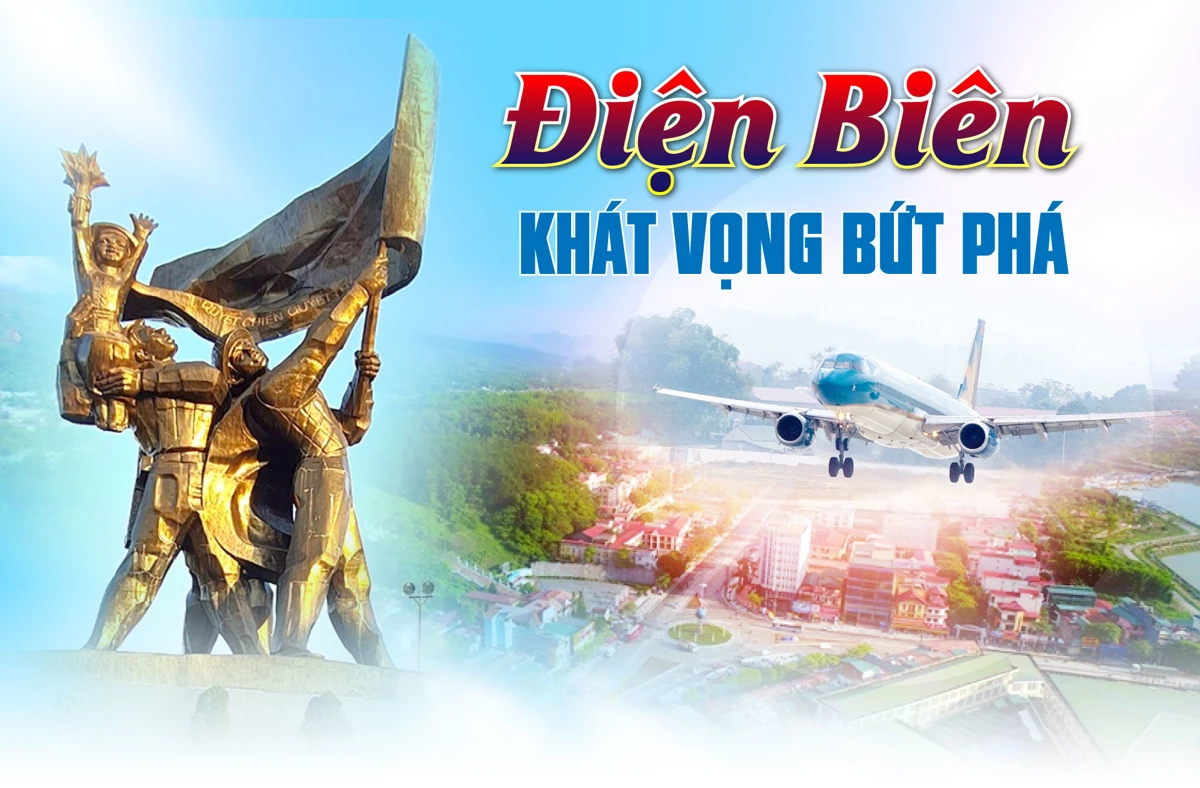

The story of Dien Bien as a "developing underdeveloped region" is not new. However, never before have the factors creating a new development cycle been so clearly aligned. From targeted economic transformation and effective livelihood models at the grassroots level to the increasingly sharp and decisive leadership of the provincial Party committee, all are gradually shaping a new foundation for development. The question is no longer "What does Dien Bien have?", but rather: What has Dien Bien done and is doing with what it has?

Looking back at the 2020-2025 term, amidst turbulent circumstances ranging from the pandemic and natural disasters to the global economic downturn, Dien Bien province has maintained an average growth rate of 8.76% per year, higher than the average for the northern midland and mountainous region. This is not just a number, but a manifestation of a foundation being built.
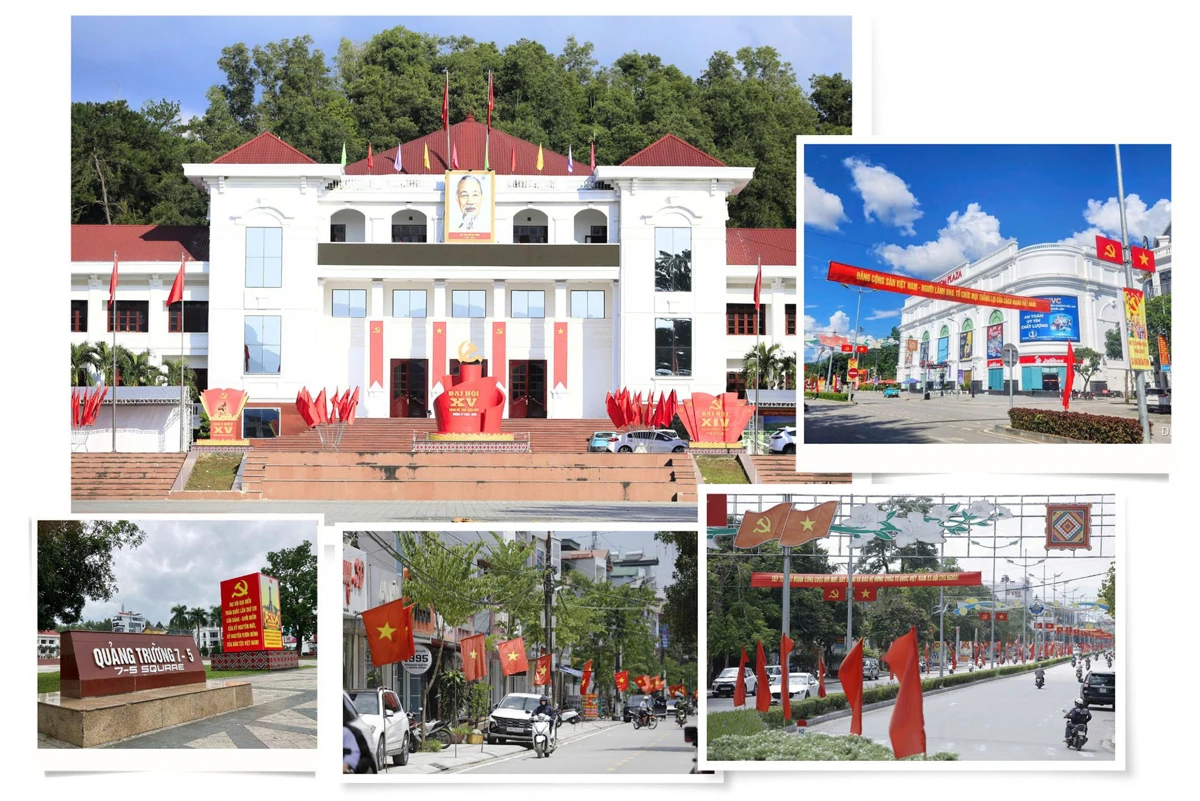
Dien Bien is gradually transforming and developing.
According to Comrade Le Thanh Do, Standing Deputy Secretary of the Provincial Party Committee and Chairman of the Provincial People's Council of Dien Bien province, the province's economic growth is not only stable but also accompanied by a positive structural shift: gradually reducing the proportion of agriculture and increasing the proportion of industry, construction, and services. The GRDP in 2025 is projected to reach over 17,235 billion VND, with per capita income reaching approximately 54 million VND, an increase of over 62% compared to 2020.
Even more noteworthy is that: Total social investment reached over 81,800 billion VND, a significant increase compared to the previous period; total budget revenue exceeded the resolution's target; and the private sector is gradually becoming an important driving force… These figures demonstrate a reality: Dien Bien is no longer standing still, but is moving, albeit not quickly, but in the right direction.
Behind the numbers lies a clear trend: From development based on natural conditions to development based on economic restructuring. From quantitative growth to qualitative improvement. This is a sign of a foundation being formed.
As Deputy Secretary of the Provincial Party Committee Le Thanh Do rightly pointed out: The important point is not just growth, but transformation. The economic structure is shifting towards reducing dependence on purely agricultural production and gradually increasing the role of industry, services, and sectors with higher added value.

If we need to find a model that is both economically valuable and reflects social depth, then Muong Ang coffee is a prime example. Mr. Ha Van Hoan, Chairman of the Muong Ang Coffee Association, affirmed: “One hectare of coffee not only yields a product but also generates tens of millions of dong in labor wages each season. This is the greatest value in creating livelihoods for the people.”
With over 2,100 hectares of coffee plantations, the annual revenue from harvesting alone reaches nearly 70 billion VND, a considerable sum for a mountainous commune. But what's even more noteworthy is the shift in development mindset.
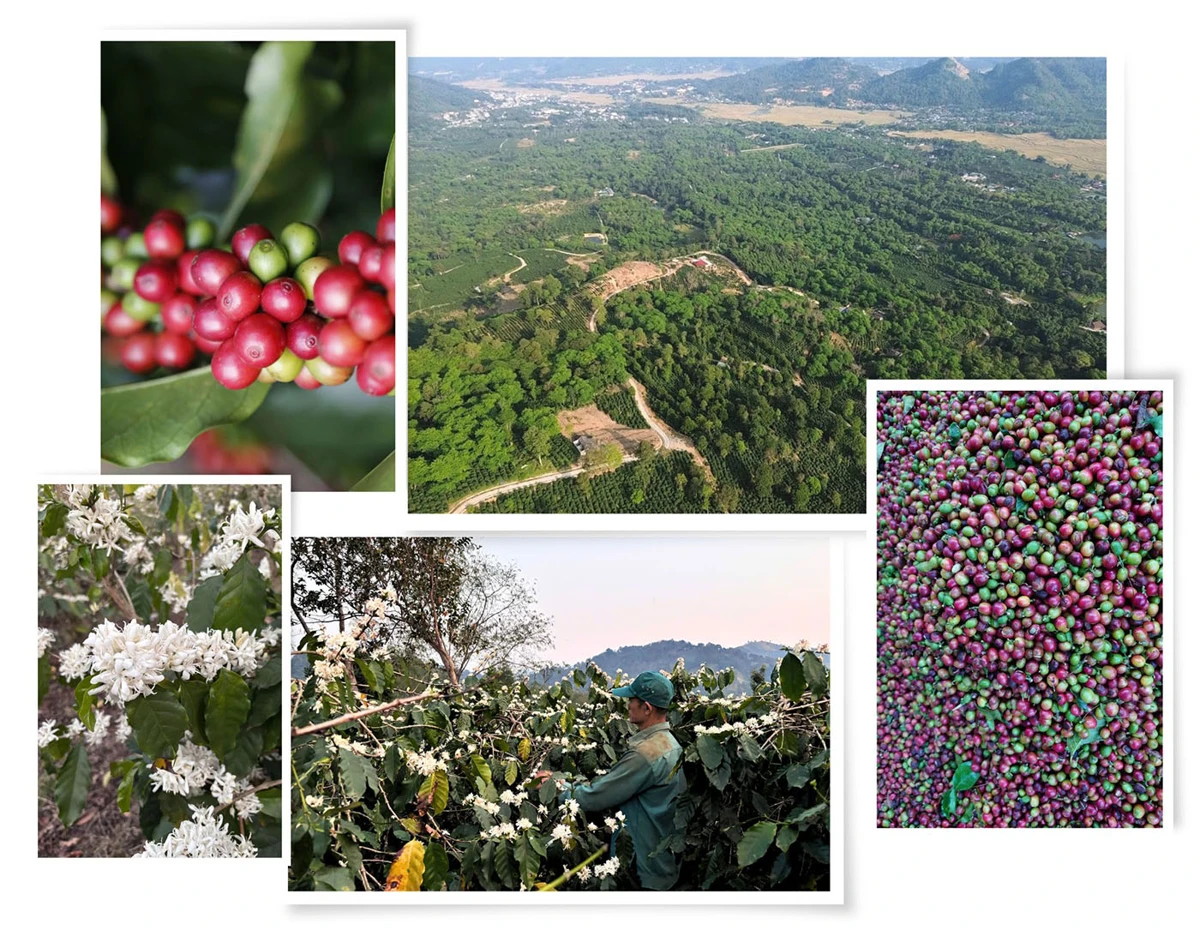
Muong Ang is one of the localities with the largest coffee growing area in Dien Bien province.
The family of Mr. Luong Van Thoan in Na Luong village is a prime example of someone who rose out of poverty thanks to coffee cultivation. Previously, Mr. Thoan and his wife and children struggled to make ends meet by growing short-term food crops, with unstable income and a constant struggle to make ends meet. But since converting all of their more than 2 hectares of land to coffee cultivation, their lives have taken a new turn.
“Every year, I earn over 300 million VND from selling coffee. Thanks to that, my family has been able to renovate our house, buy household items, and provide our children with a good education,” Mr. Thoan happily shared. According to Mr. Thoan, coffee is truly a poverty-alleviating crop for the people here. Families without land to grow coffee can earn over 6 million VND per month by harvesting and weeding for other households in the commune. Families with a few thousand square meters of coffee plantations can earn nearly 100 million VND per year.
Not only Thoan's family, but thousands of households in Muong Ang are also reaping the rewards from high-quality Arabica coffee. To date, the entire commune has 1,662 hectares of coffee plantations, producing a large yield and generating revenue of over 260 billion VND per year.
Comrade To Trong Thien, Provincial Party Committee member, Party Secretary, and Chairman of the People's Council of Muong Ang commune, said: "We are not stopping at just growing coffee, but focusing on building brands, promoting markets, and gradually developing processing to increase the value of the product." This is a fundamental shift: from production to a value chain economy.
A noteworthy point is that Dien Bien is shifting from a mindset of "growing whatever is available" to "growing according to market demand, linked to processing and consumption." This is clearly demonstrated through the development of high-tech agriculture, linking production with processing, and gradually building agricultural product brands. This is the foundation for agriculture to not only be a "pillar," but also to become a new driving force for growth.
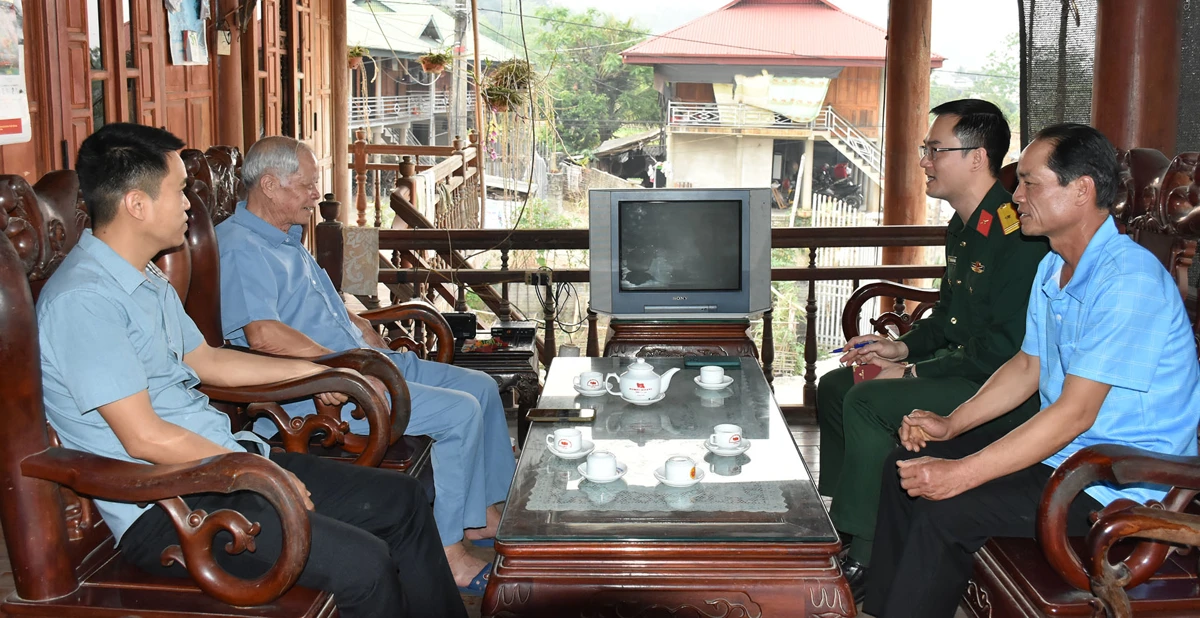
Village elder Luong Van Panh (second from the left) shared with a reporter from the People's Army Newspaper about the lives of the local people.
In Thanh Yen commune, Mr. Luong Van Panh, the village elder of Chieng Tong hamlet, shared: “People are no longer just worried about food, but also about how to sell their products and how to have a stable income. People believe in the Party's policies, but they also hope for better conditions for long-term business.” Mr. Luong Van Trung, an agricultural producer, stated frankly: “We are not afraid of difficulties; as long as there is a stable market and convenient roads, the people will succeed.” These simple statements reflect an important fact: people are ready to change if given the opportunity.
Comment (0)
Login
to comment

Comment Submitted Successfully
More News